



Children spend a large part of their day at school, where they learn, build friendships, and discover new ways to interact with the world around them. For many AAC users, the classroom also becomes one of the most meaningful places to practice communication in everyday situations.
Bringing AAC into a classroom can feel like a big step. Every school, teacher, and student is different, so there is no single approach that works for everyone. What often makes the biggest difference is thoughtful planning, open collaboration, and creating opportunities for communication to happen naturally throughout the school day.
Team Work, Planning & Coordination
Introducing AAC into a classroom often involves many people working together, from teachers and speech-language pathologists to administrators and families. When everyone has a shared understanding of the goals and approach, implementing AAC tends to become much smoother.
Some teams find it helpful to discuss classroom routines, curriculum plans, and communication opportunities ahead of time. Having clear processes for troubleshooting or technical support can also make day-to-day use feel less overwhelming. If you’re using an AAC system, it’s worth exploring the support resources that come with it. For example, the Avaz AAC app includes a Help Center with FAQs and step-by-step guides to help answer common questions. If additional support is needed, the dedicated 24×7 support team is also available to assist educators and families.
Supporting Teachers
Many teachers are open to exploring new tools that help students communicate, but learning something new while managing a busy classroom can be challenging. Having time to become familiar with an AAC system can help teachers feel more confident using it during everyday activities.
Children naturally look to their teachers for guidance, and modelling plays an important role in AAC learning. As teachers grow more comfortable with the device, they often discover creative ways to incorporate it into classroom routines. Since every child communicates differently, this familiarity can also make it easier to adapt the AAC system to support each student’s individual strengths and preferences.

Preparing the Child
Some students may already be using AAC at home or during therapy, while others may be experiencing it for the first time. Because every child starts from a different place, introducing AAC at a pace that feels comfortable can make the transition easier.
Many educators find it helpful to talk with students about why AAC is being introduced and how it can support communication at school. A little reassurance and encouragement can help children feel more comfortable exploring a new way to express themselves.
Partnering with Families
Families play an important role in a child’s communication journey, so keeping them involved from the beginning can make a real difference. Conversations about how AAC will be used in the classroom can help address questions, ease concerns, and build confidence.
These conversations also create opportunities to understand each family’s hopes for their child’s communication. Setting realistic expectations together can help everyone celebrate progress as it happens. When families become familiar with the AAC app with symbols and text and continue supporting communication at home, it complements the work happening at school and gives children more opportunities to build their skills across different environments.
Thinking Ahead About Everyday Challenges
One of the goals of AAC is to make communication available whenever a child has something to say. That becomes much easier when the device is easy to access throughout the school day.
Every classroom is different, and small challenges are bound to come up along the way. Thinking through these practical barriers ahead of time can make AAC easier to use consistently. For example, if carrying a device is difficult for a student, a case with a shoulder strap or another accessible solution may help make it part of their daily routine.
Making AAC Fun
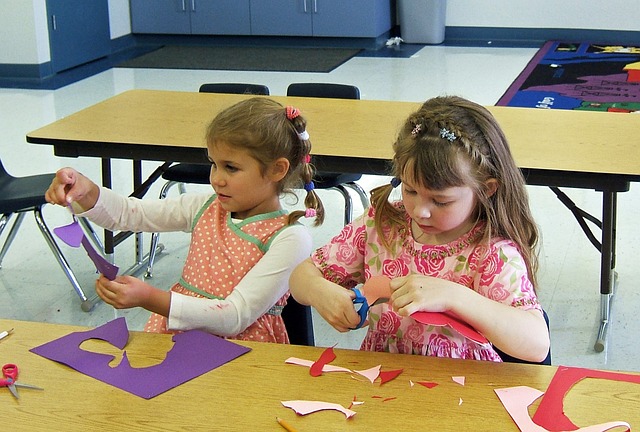
Children are far more likely to use AAC when it feels like a natural part of the activities they already enjoy. Communication doesn’t have to be limited to structured learning sessions.
Many classrooms weave AAC into games, art, music, sports, and other favourite activities. These everyday moments often create meaningful opportunities for students to communicate while staying engaged and having fun. Giving children the opportunity to express themselves from an early age can help build confidence, encourage independence, and open the door to richer social interactions both inside and outside the classroom. For some students, simply seeing their peers using AAC can also become a source of motivation and encouragement.
Every classroom will have its own approach, and every student’s communication journey will look different. Small, consistent steps, taken together by educators, therapists, and families, can gradually create an environment where every child has more opportunities to be heard.
Do you have strategies that have worked well in your classroom? We’d love to hear about your experiences in the comments below.